Confessions of a Garlic Maximalist: Why American Kitchens Treat the Best Allium Like a Spice Rack Afterthought
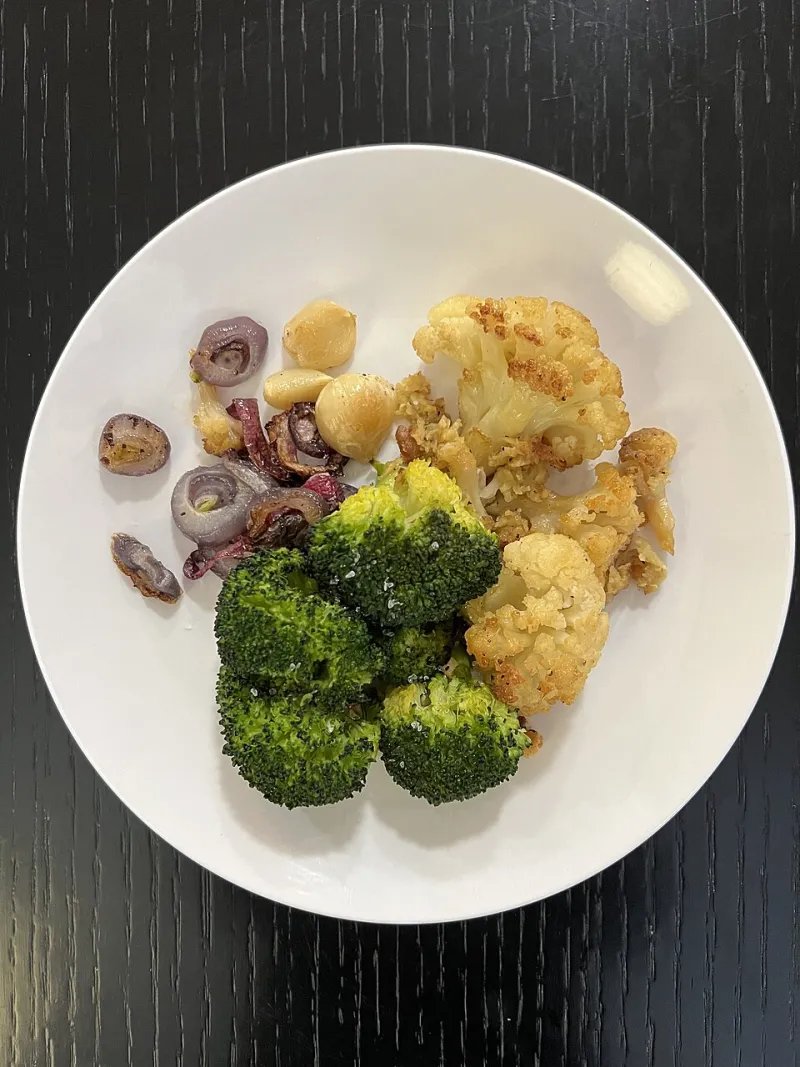
Photo: HaJunkiyada, CC BY-SA 4.0, via Wikimedia Commons
Let's get one thing straight: garlic is not a seasoning. Garlic is an ingredient. It's a vegetable with a press agent, a vegetable that headlined dishes for four thousand years before some 1970s American cookbook told you that one clove, minced, would be plenty for a pot of pasta sauce feeding six people. One clove. For six people. That's not a recipe — that's a rumor.
Meanwhile, walk into any restaurant kitchen worth its salt and you'll find garlic everywhere: whole bulbs softening in the oven, cloves swimming in oil on the back burner, and — in the good places — a tub of black garlic hiding in the prep fridge like contraband.
The Roasted Bulb: Nature's Butter
If you've never roasted a whole head of garlic, I need you to understand what you've been missing. Cut the top off a bulb, drizzle it with olive oil, wrap it in foil, and throw it in a 400°F oven for about 40 minutes. What comes out is a squeezable pouch of golden, mellow, almost sweet paste that bears only a philosophical resemblance to raw garlic's sharp bite.
Smear it on toast. Mash it into mashed potatoes. Stir it into mayo and put it on a sandwich that will ruin other sandwiches for you. A roasted bulb is the single highest return-on-effort move in the allium game, and it costs about 75 cents at any grocery store in America.
Confit: Garlic That Melts
Take it one step further and submerge peeled cloves in olive oil in a small saucepan over the lowest heat your stove allows. Thirty to forty-five minutes later, you have garlic confit — cloves so soft you could spread them with a butter knife — plus a bonus jar of garlic-infused oil that will upgrade salad dressings for a week.
Keep the confit in a jar in the fridge and use it within a week or so, oil included. (Home garlic-in-oil left at room temperature carries botulism risk, so fridge storage isn't optional — it's the whole safety plan.)
Black Garlic Is Not a Phase, It's a Lifestyle
Black garlic — regular garlic aged under low heat and humidity until the cloves turn jet-black, sticky, and chewy — tastes like a plot twist. Sweet, tangy, faintly balsamic, with molasses and tamarind notes and barely any raw garlic bite. Whole Foods and many Asian markets carry it now, and it's also very makeable at home with a rice cooker you're willing to dedicate to the cause for a couple of weeks.
Mash it into compound butter for steak. Blend it into aioli. Put it on a cheese board next to the fig jam and watch your guests try to identify it. It's umami with a secret identity.
How the Pros Build Garlic Flavor in Layers
Here's the actual professional trick, and it's simpler than it sounds: they don't use garlic once in a dish. They use it two or three times, in different forms, at different stages.
- Raw or grated at the finish — sharp, pungent, alive. Think salad dressing or a final swipe over toast.
- Sweated early in a pan — mellow, savory, the structural foundation of the dish.
- Roasted or confit as a component — sweet, spreadable, a topping with presence.
A pasta sauce that starts with sweated garlic, gets depth from a spoonful of roasted garlic paste, and finishes with a pinch of raw grated garlic in the last minute has three distinct garlic notes working together. That's the difference between garlic-flavored food and food with garlic in it.
The Verdict
Stop measuring garlic with a sense of apology. If a recipe says two cloves and it feeds four people, that's a floor, not a ceiling. Roast a bulb on Sunday and keep it in the fridge for spreading all week. Make confit once and feel like you've unlocked a cheat code.
Garlic earned its spot as a headline act somewhere around ancient Egypt. The least we can do is stop demoting it to a garnish.