Chuck Roast Is the Best Instructor I Ever Had: Lessons From a Life of Braising

Photo by Photo by Vitor Monthay on Unsplash on Unsplash
Nobody ever changed my cooking the way a three-pound chuck roast did.
I'd taken classes. I'd watched every streaming series with a chef in a white apron yelling about fond. But the afternoon I pulled a gray, overcooked pot roast out of my Dutch oven, realized my mistake, and fixed it the next weekend — that's when braising clicked. Not from a lesson. From a cheap cut of beef that refused to lie to me.
If you want to level up as a home chef, skip the certificate. Buy the tough stuff.
Why Cheap Cuts Are Honest Teachers
Tender cuts — filet, ribeye, pork loin — are forgiving in one direction only. They punish overcooking instantly and offer no path back. Tough cuts are the opposite: they're nearly impossible to ruin early and incredibly rewarding when you read them right.
Chuck, shanks, pork shoulder, short ribs, lamb neck — these cuts come from muscles that worked hard for a living. That means collagen, lots of it. And collagen is the whole game. Around 160°F it starts its slow, stubborn conversion into gelatin. Rush it and you get shoe leather. Give it time at a gentle simmer and you get meat that yields to a spoon and a sauce with actual body.
That transformation can't be faked, microwaved, or shortcut. It teaches patience in a way no video can, because you have to sit with it — and then learn to read it.
The Recipe Clock Is a Suggestion, Not a Law
Every braise recipe says some version of "3 to 4 hours." That range is doing a lot of work, because the real timer isn't the clock. It's the meat.
Here's what I actually watch for:
- The probe test. Slide a skewer or paring knife into the thickest part. When it goes in with zero resistance — like poking room-temperature butter — you're there. If it drags, keep going.
- The slump. A shank that still stands tall needs more time. When the meat starts to relax and settle into the liquid, the connective tissue is surrendering.
- The jiggle. Gently shake the pot (or nudge a piece with tongs). Properly braised meat wobbles. Fully cooked-but-tough meat just sits there, dense and defiant.
- The stall. Yes, braises stall too, usually somewhere in the 2-to-3-hour mark when the collagen is mid-conversion. The temperature of everything seems to plateau. Don't panic, don't crank the heat. This is the tuition you're paying.
Keep the liquid at a bare simmer — lazy bubbles, not a boil. A rolling boil tightens proteins and pushes out moisture. You want the oven around 300°F or the stovetop at a murmur.
The Anatomy of Any Good Braise
Strip away the cuisine and every braise is the same five moves:
- Brown hard. Dry the meat, season it, and get real color in a hot pan. Pale meat makes pale braise. This is non-negotiable.
- Sweat the aromatics. Onion, carrot, celery — or garlic, ginger, and scallion, depending on where you're headed. Scrape up the fond while you're at it.
- Add liquid partway, not fully. The meat should be about two-thirds submerged. Braising is part roast, part simmer. Submerged meat boils; exposed meat browns and concentrates.
- Cover and go low. Lid on, heat gentle, time generous.
- Finish the liquid. This is the step everyone skips. Remove the meat, skim the fat (or don't — it's your kitchen), and reduce the sauce until it coats a spoon. A splash of acid at the end — vinegar, citrus, wine — wakes the whole thing up.
Master those five moves and you can braise anything, from any cuisine, without a recipe.
Three Templates I Cook on Repeat
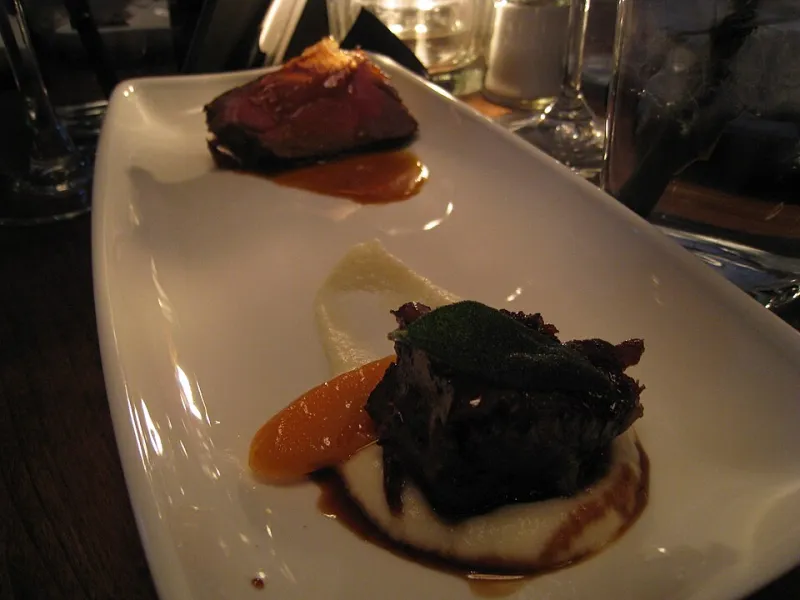
The Sunday Pot Roast, Improved. Chuck roast, browned aggressively, with onions, carrots, and a full head of garlic cut in half crosswise. Deglaze with a cup of red wine (two-buck Chuck works fine — save the good bottle for drinking), add beef stock to two-thirds up, bay leaf, thyme, and a couple of anchovies that disappear into the sauce and just make everything taste more like beef. Three hours at 300°F, then reduce the liquid hard and mount it with a tablespoon of butter. Serve over mashed potatoes and accept your compliments.
Lamb Shanks, Bistro Style. Seared shanks, shallots, a whole tube of tomato paste cooked until it darkens and smells sweet, a bottle of cheap Cabernet, rosemary, and stock. These take longer than you think — 3.5 to 4 hours — and the probe test is your only reliable guide. The marrow is the cook's tax. Pay it.
Vietnamese-Style Caramel Pork (Thịt Kho). Pork shoulder in big chunks, browned, then simmered in a mix of coconut water, fish sauce, and a caramel you make by melting sugar until amber. Hard-boiled eggs go in for the last 45 minutes. It's sweet, salty, deeply savory, and it proves the braise framework travels anywhere. Spoon it over jasmine rice with pickled vegetables and try not to make it every week. (You will make it every week.)
The Tuition Is Cheap and the Education Lasts Forever
A chuck roast costs less than a movie ticket. A pork shoulder is practically a rounding error at the supermarket. And unlike a cooking class, these cuts will teach you something different every time — how your oven runs hot, how a stall feels, how a sauce changes when you reduce it ten minutes longer than you meant to.
Braise something tough this weekend. Burn it once if you have to. That's not failure — that's the curriculum.